Sharpwell Property Law: Trusted by Samuel Leeds Academy

Welcome to Sharpwell Property Law where your property journey is our priority.

Whether you’re securing your first investment, expanding your portfolio, or managing complex development projects, our mission is to turn your investment transaction into exceptional property investing experience. 

Exclusive Support for The Academy Members from Sharpwell Property Law

Sharpwell Property Law is proud to offer Samuel Leeds Academy members a unique combination of legal expertise and property investment insight. The Academy members benefit from:
Extensive Experience Working With Bridging Lenders, UK and non-UK private investors and gifted deposits

Special Preferential Rates for legal services


Sharpwell Property Law ensures that Academy members receive tailored guidance and practical solutions to confidently navigate even the most complex property investing transactions.


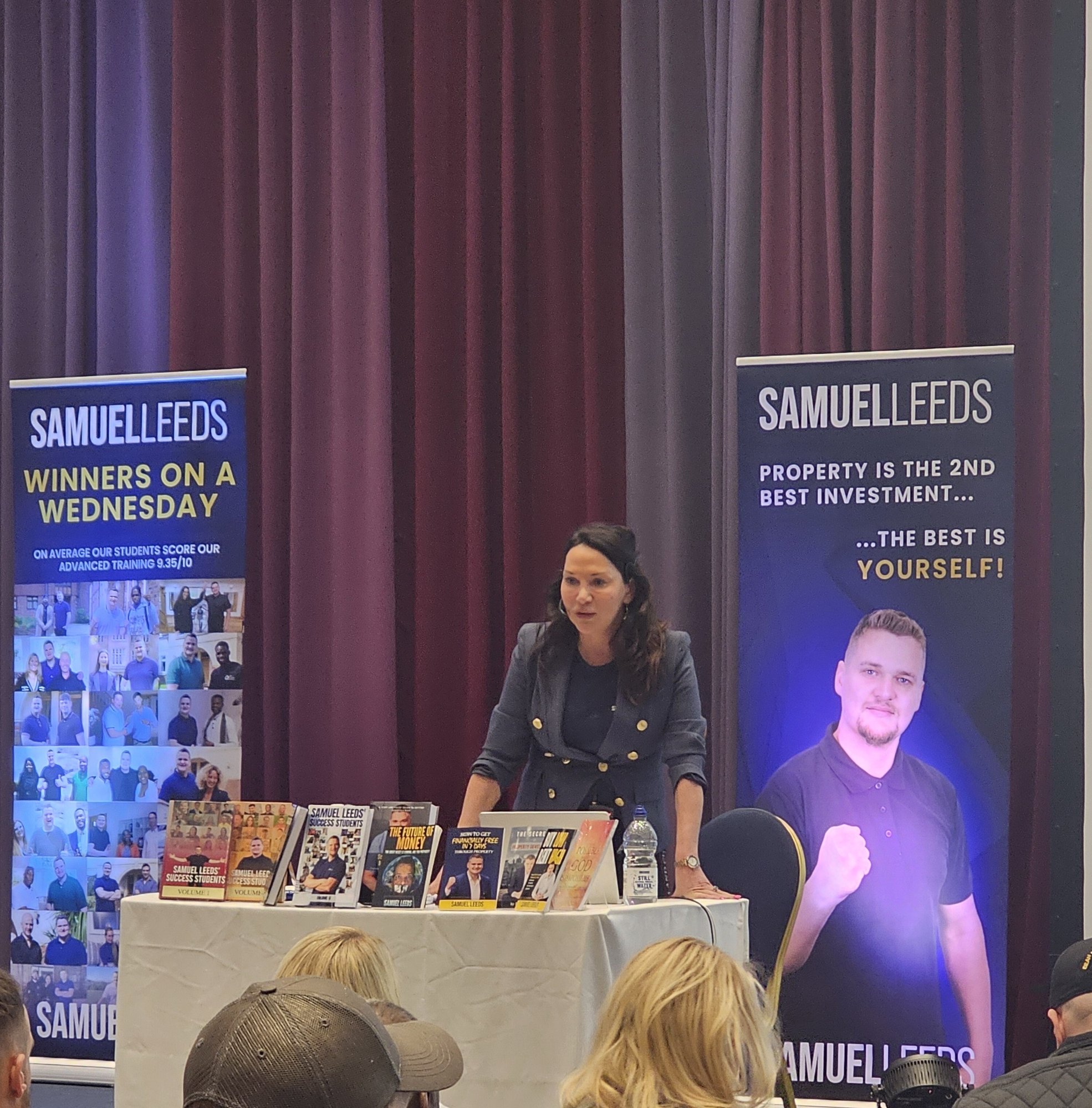
20250304_194459-1

Sharpwell Property Law and the Samuel Leeds Academy share the mission of not only adding value but being your Trusted Partner in your property investing journey.

At the heart of this mission is Tatiana, CEO and Founder of Sharpwell Property Law, who brings together her expertise as a property solicitor with extensive hands-on experience as a developer and long-standing mentor to Samuel Leeds Academy members. Her background spans a wide range of projects, from converting probate residential properties into HMOs to undertaking commercial-to-residential transformations, including the conversion of an old nightclub into four residential houses to be managed as serviced accommodation.

This dual perspective shapes the ethos of Sharpwell Property Law, allowing Tatiana to bridge the gap between the legal world and real-life property investing. It is this blend of experience that drives the Firm’s commitment to redefining traditional conveyancing and delivering an exceptional, investor-focused experience to every client.

How We Can Help

Residential Conveyancing

  • Sale and purchase of leasehold and freehold residential properties
  • Remortgage and refinancing transactions
  • Purchase involving bridging finance and private lenders

Commercial Conveyancing

  • Sale and purchase of commercial leasehold and freehold properties
  • Commercial landlord and tenant matters
  • Drafting and negotiating commercial leases, assignments, and surrenders
  • Transactions involving structured and layered funding arrangements

Lease Options and Options to Purchase

  • Negotiating key terms
  • Preparing and negotiating lease option and option to purchase agreements
  • Advising on protecting buyer’s investment by way of refurbishments costs
  • Protecting buyer’s equitable right to purchase

Frequently Asked Questions

Do I Need a Solicitor to Buy a Property in the UK?

Strictly speaking, no, you are not legally required to use a solicitor to buy a property in the UK, if you are not using lenders’ finance. However, in practice, almost all buyers instruct a solicitor, because the process involves complex legal, financial, and regulatory steps that are very risky to handle on your own.

What Do Solicitors Do?
  1. Handle the legal transfer of ownership (conveyancing): your solicitor ensures the property title is valid, prepares and checks contracts, and manages the formal transfer of ownership at completion.
  2. Carry out searches and checks: Local authority searches (planning, highways, enforcement notices), Drainage and Environmental reports, Land Registry and Title checks.
    These searches protect you from unexpected issues such as flood risk, missing rights of way, or planning restrictions.
  3. Deal with the seller’s solicitor: all formal communications, contract negotiations, and document exchanges are handled between the two firms, protecting you from mistakes or omissions.
  4. Manage the money safely: your solicitor holds your deposit and purchase funds in a regulated client account and transfers them securely on completion. This avoids the risk of fraud or misdirected payments.
  5. Register your ownership: after completion, your solicitor submits the application to HM Land Registry and ensures you are officially recorded as the legal owner.
  6. Handle Stamp Duty Land Tax (SDLT): they calculate, file, and pay SDLT correctly and on time to HMRC, avoiding penalties.
Why Do I Need A Solicitor When Using Bridging Finance?

Bridging loans are short-term, typically 3 to 18 months, with monthly interest rates between 0.6%–1.5%. An experienced solicitor will check the loan documentation carefully, ensuring that:

  1. Repayment dates, extension terms, and penalty clauses are realistic.
  2. Any exit conditions (such as proof of planning permission or refinance offer) are clearly understood.
  3. There are no hidden charges or restrictive undertakings that could affect completion.
  4. Bridging lenders usually require a first legal charge over the property and sometimes additional security (e.g. personal guarantees or charges over other assets). A solicitor with bridging experience will understand the pace and expectations of bridging lenders, coordinate quickly between you, the lender’s solicitor, and any broker, identify title defects early so they don’t delay drawdown, and negotiate practical solutions (e.g. indemnity insurance, undertakings) to keep the transaction moving.
  5. Bridging finance is all about speed. A specialist bridging solicitor will know which searches can be expedited or replaced with indemnities, manage rapid fund transfers and completion mechanics, balance speed with protection, ensuring essential legal checks aren’t skipped, and keep all parties (including the lender) updated to avoid last-minute collapse.
What is a Purchase Lease Option (PLO)?

A PLO is a contractual arrangement where a buyer (the “tenant–buyer”) leases a property with an option to buy it later at an agreed price.

How is a PLO different from a standard purchase or rent-to-rent agreement?

In a standard purchase, you buy immediately. In a rent-to-rent, you lease only, with no right to buy. In a PLO you lease now and secure the right to buy later, locking in the future price. It combines elements of both renting and purchasing.

What happens if I don’t exercise the PLO to buy?

If the option period expires without exercise, the right to buy lapses, the option fee is forfeited. The lease usually continues or ends according to its terms. There is no obligation to buy, only a right to do so.

Can the seller change their mind and sell to someone else?

No. Once the Option Agreement is signed and properly protected (for example, registered with a restriction and notice at HM Land Registry), the seller cannot sell to another party during the option period.